

You may have come across NAD+ IV therapy while looking for something that could help with low energy, difficulty concentrating, slower recovery, or a broader longevity routine. The claims can be compelling. Some clinics describe NAD+ as a way to improve energy, sharpen focus, support recovery, or counter some of the effects associated with aging.
There is a biological reason NAD+ attracts that attention, but the decision is more complicated than those claims make it sound.
NAD+ is essential to normal cellular function, yet showing that a molecule is important inside your cells is not the same as proving that supplying it intravenously produces a particular wellness outcome. Human research on NAD IV therapy itself remains limited, and recent reviews have found much stronger evidence for NAD+ biology than for the clinical benefits often associated with IV treatment.
That does not make NAD+ an unimportant molecule or mean there is nothing worth investigating. It means you should know which proposed benefits are grounded in established biology, which are still being studied, and what an infusion actually involves before deciding whether the treatment belongs in your wellness routine.
What Does NAD+ Do in the Body?
NAD+ stands for nicotinamide adenine dinucleotide. It is a naturally occurring coenzyme found throughout the body and involved in several fundamental cellular processes.
One of its best-known roles is helping cells convert nutrients into usable energy. NAD+ also participates in redox reactions and serves as a substrate for enzymes involved in processes such as DNA repair, cellular signaling, and metabolic regulation.
Those functions are why NAD+ is frequently discussed in research involving metabolism, aging, mitochondrial function, and age-related disease.
You may also have heard that NAD+ inevitably drops as everyone gets older. The research is more nuanced. A 2025 review in Nature Metabolism noted that consistent evidence for an age-related decline in NAD+ in humans has been demonstrated in only a limited number of studies, and human tissue data remain relatively sparse.
That distinction matters because much of the excitement surrounding NAD+ began with laboratory and animal research. Promising biological mechanisms do not always translate into the same effects when therapies are tested in people.
How Does NAD IV Therapy Work?
During NAD IV therapy, NAD+ is administered through an intravenous line rather than taken orally.
A clinician places an IV catheter into a vein, and the NAD+ formulation is infused over a period of time. Because it enters through an IV, the treatment bypasses the digestive tract.
That makes IV NAD+ different from the oral compounds you may see sold as NAD+ supplements.
Many human studies have actually investigated NAD+ precursors rather than intravenous NAD+ itself. Precursors such as nicotinamide riboside (NR) and nicotinamide mononucleotide (NMN) can be used by the body to produce NAD+. Research has shown that some oral precursors can alter NAD-related biomarkers, but demonstrated improvements in meaningful clinical outcomes have been inconsistent.
You therefore cannot assume that findings from an oral NR or NMN study prove the effects of an intravenous NAD+ infusion. The formulations, routes of administration, metabolism, and available evidence are different.
What Are the Potential Benefits of NAD IV Therapy?
This is where it is especially important to separate why people are interested in NAD+ from what IV NAD+ has been clinically proven to accomplish.
Commercial NAD+ therapy is commonly sought for goals involving:
- Energy and feelings of fatigue
- Mental clarity and concentration
- Exercise or general recovery
- Metabolic wellness
- Healthy-aging or longevity routines
- Overall wellness support
These interests make sense in light of NAD+'s involvement in cellular metabolism and energy processes. What has not yet been established is that NAD+ IV therapy reliably produces those outcomes in healthy people.
A 2026 systematic review examining NAD+ supplementation for anti-aging and wellness found that human studies of oral NAD+ precursors showed clear changes in some NAD-related biomarkers, but functional and metabolic results were inconsistent. More importantly for anyone considering an infusion, the review found no eligible clinical outcomes trials evaluating IV or intramuscular NAD+ itself for anti-aging or wellness indications.
A small earlier pilot study investigated how intravenously infused NAD+ was metabolized during a six-hour infusion, but it was not designed to establish benefits such as improved energy, focus, recovery, or longevity.
So when a clinic discusses NAD+ for energy, focus, or wellness, those goals should not be confused with guaranteed or established treatment outcomes.
What Does a NAD+ IV Session Feel Like?
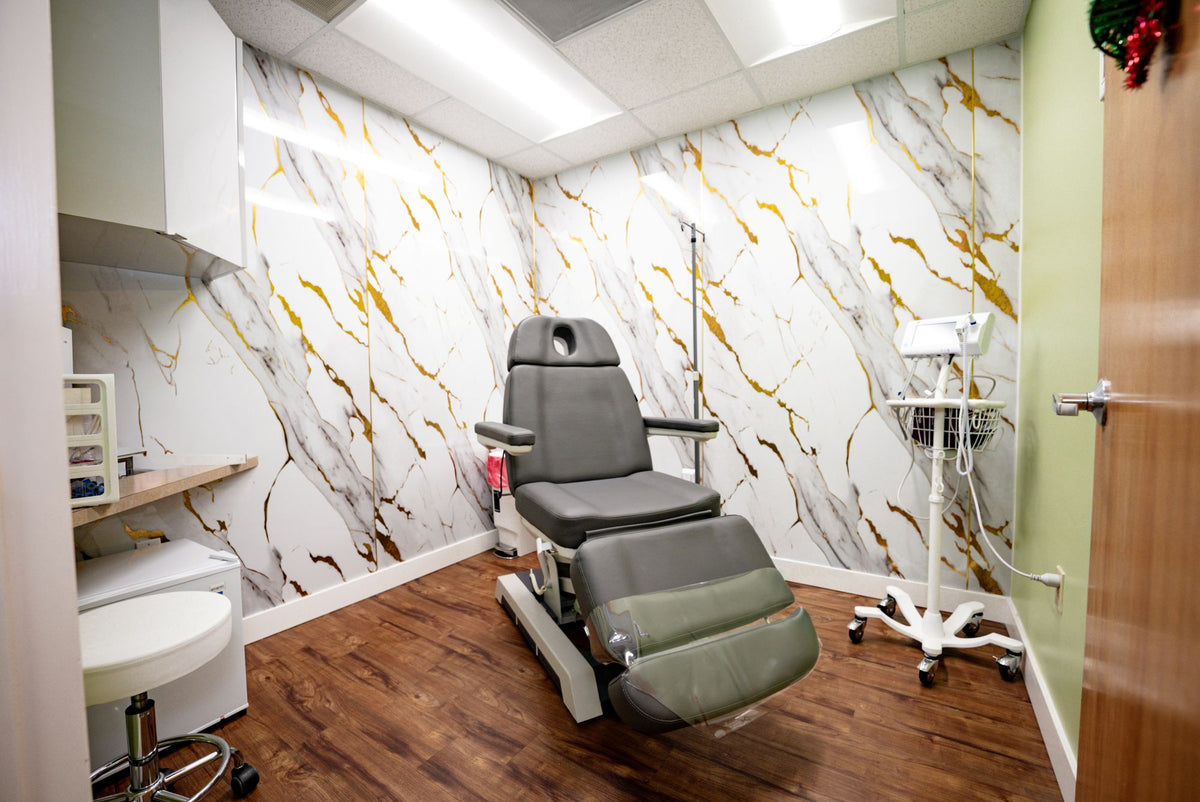
NAD+ infusions can require more patience than a basic hydration drip.
The amount used and the infusion rate vary by protocol. Some people may experience discomfort while NAD+ is being infused, which is one reason clinicians may adjust the infusion rate based on tolerance.
A 2026 retrospective pilot study looked at people receiving commercially administered IV NAD+ over four consecutive days. Participants receiving NAD+ reported symptoms including gastrointestinal discomfort, increased heart rate, and chest pressure during their infusions. The symptoms resolved when the infusion ended, and the NAD+ sessions took an average of about 97 minutes in that study because participants adjusted the rate based on tolerability.
That does not mean every NAD+ session will take the same amount of time or produce the same symptoms. It does demonstrate why the speed of the infusion and appropriate monitoring matter.
If you experience significant discomfort, nausea, pressure, changes in heart rate, or another unusual symptom during an infusion, tell the professional administering it rather than trying to push through the session.
What Should You Expect Before the Infusion Starts?
A NAD+ appointment should involve more than choosing a dose and starting an IV.
Your provider should obtain relevant health information before treatment. Depending on the protocol and your circumstances, that may include questions about medications, allergies, previous IV reactions, medical conditions, pregnancy, current symptoms, and the reason you are interested in NAD+.
You should also have an opportunity to ask:
- What dose is being recommended?
- Why was that protocol chosen?
- Approximately how long will the infusion take?
- What symptoms might occur during treatment?
- How will the rate be adjusted if I become uncomfortable?
- Where does the injectable NAD+ come from?
- Who will administer and monitor the infusion?
- Are there reasons this treatment may not be appropriate for me?
A provider should be able to explain those details without relying on promises that NAD+ will cure disease, reverse aging, or guarantee a particular result.
Why the Source of Injectable NAD+ Matters
Ingredient quality is particularly important with any substance being administered intravenously.
FDA has specifically warned about inappropriate ingredients being used to make compounded NAD+ injectable products. The agency reported that some compounders had used food-grade NAD+, which FDA said is not suitable for compounding sterile drugs without appropriate processing because of contamination and endotoxin risks.
FDA also reported adverse events following NAD+ injectable products, including severe chills, shaking, vomiting, and fatigue, with some patients requiring medical treatment. The agency said those reactions were consistent with excessive endotoxin levels.
This does not mean all compounded NAD+ injections contain inappropriate ingredients. It does mean asking about sourcing and sterile preparation is reasonable.
An IV bypasses many of the body's usual barriers and introduces the preparation directly into the bloodstream. That makes product quality and proper sterile practices particularly important.
Who Should Be More Careful About NAD+ IV Therapy?
There is not enough clinical evidence to establish one simple rule covering every person who might consider NAD IV therapy.
Your individual medical history matters.
Tell the provider about prescription medications, supplements, allergies, significant medical conditions, pregnancy, previous infusion reactions, and any unexplained symptoms you are currently experiencing.
The limited clinical evidence for IV NAD+ also means it should not be treated as a substitute for diagnosing persistent fatigue, cognitive changes, weakness, or another ongoing health concern.
If you are seeking NAD+ because you feel consistently unwell, the more important question may be why you are experiencing those symptoms rather than which IV protocol to select.
Likewise, NAD+ therapy should not replace prescribed treatment or delay appropriate medical care for a known condition.
How Do You Choose a NAD IV Therapy Provider?
The growing popularity of NAD+ makes it easy to compare providers based on dose, pricing, or claims about results. Those should not be your only criteria.
Look at the clinical process behind the infusion.
Who performs it? Is the treatment medically supervised? How are clients screened? Where is the injectable product sourced? Does someone remain available to monitor your response? What happens if you cannot tolerate the planned infusion rate?
You should also be cautious when benefits are stated as certainties. Current research does not support guarantees that an NAD+ infusion will reverse aging, cure chronic illness, restore cognitive function, or reliably improve energy and performance.
A credible conversation should leave room for the limits of the evidence.
Considering NAD IV Therapy in Miami
NAD+ has an important and well-established role inside human cells. The more difficult question is what happens when NAD+ is provided intravenously for elective wellness purposes, and that question still needs stronger human research.
If you are interested in NAD IV therapy, approach the decision with realistic expectations. Ask about the dose, sourcing, infusion time, medical screening, potential symptoms, and the evidence behind the result you are hoping to achieve.
IV Drop Revival & Glow offers medically supervised NAD+ IV therapy in Miami, administered by licensed professionals. The company offers NAD+ sessions in-clinic and accepts requests for mobile appointments based on availability, with the infusion paced and monitored throughout treatment.
A consultation can help you understand the proposed protocol, but the decision should still begin with an informed discussion of your goals, health history, and what NAD+ therapy can and cannot currently be expected to do.
Interested in learning more? Visit our NAD+ IV infusion in Miami page or request an appointment to discuss whether NAD+ therapy is appropriate for you.
Frequently Asked Questions About NAD IV Therapy
What does NAD stand for?
NAD stands for nicotinamide adenine dinucleotide. NAD+ is the oxidized form of the molecule and functions as an important coenzyme involved in cellular metabolism, energy-related reactions, and other cellular processes.
Is NAD+ IV therapy proven to increase energy?
NAD+ is biologically involved in cellular energy metabolism, but that does not establish that an IV infusion reliably makes people feel more energetic. High-quality clinical evidence demonstrating this benefit from IV NAD+ itself is currently lacking.
Does NAD IV therapy reverse aging?
No clinical evidence currently establishes that NAD+ IV therapy reverses human aging. Research into NAD biology and aging is active, but findings from animal studies and studies of NAD precursors should not be interpreted as proof that IV NAD+ reverses aging in people.
How long does a NAD+ IV infusion take?
Timing depends on the dose, protocol, and how well you tolerate the infusion. NAD+ may be administered slowly because some people develop symptoms at faster rates. In one small 2026 retrospective study, NAD+ sessions averaged approximately 97 minutes.
What can you feel during a NAD+ infusion?
Some people may experience gastrointestinal discomfort or other symptoms while NAD+ is being infused. A 2026 pilot study reported gastrointestinal symptoms, increased heart rate, and chest pressure among NAD+ recipients, all of which resolved after infusion completion.
Is NAD+ the same as NMN or NR?
No. NR and NMN are NAD+ precursors, meaning the body can use them in pathways that produce NAD+. NAD+ itself is the coenzyme. Research results involving NR or NMN cannot automatically be applied to intravenous NAD+.
Are NAD+ injections FDA-approved for anti-aging?
NAD+ injectable products offered for elective wellness should not be interpreted as FDA-approved anti-aging treatments. FDA has also issued safety reminders regarding the quality of ingredients used to compound injectable NAD+ products.
How often should you receive NAD IV therapy?
There is no evidence-based universal schedule for elective NAD+ IV therapy. Frequency may vary among providers, but more frequent treatment should not be assumed to produce greater benefits.
Can NAD IV therapy be given at home?
Some providers offer mobile NAD+ IV infusions. IV Drop Revival & Glow accepts requests for mobile NAD+ therapy in Miami depending on service availability. Medical screening, sterile technique, appropriate sourcing, pacing, and monitoring remain important regardless of where the infusion takes place.
Is NAD IV therapy a treatment for a medical condition?
NAD+ IV therapy should not be assumed to treat or cure a disease unless a specific use is supported by appropriate clinical evidence and medical guidance. Current evidence for elective IV NAD+ is limited, particularly for anti-aging and general wellness outcomes.